
SeaGrassNet
Global collaboration for seagrass science, conservation and restoration



Project Dates
Start: 2001
The Story
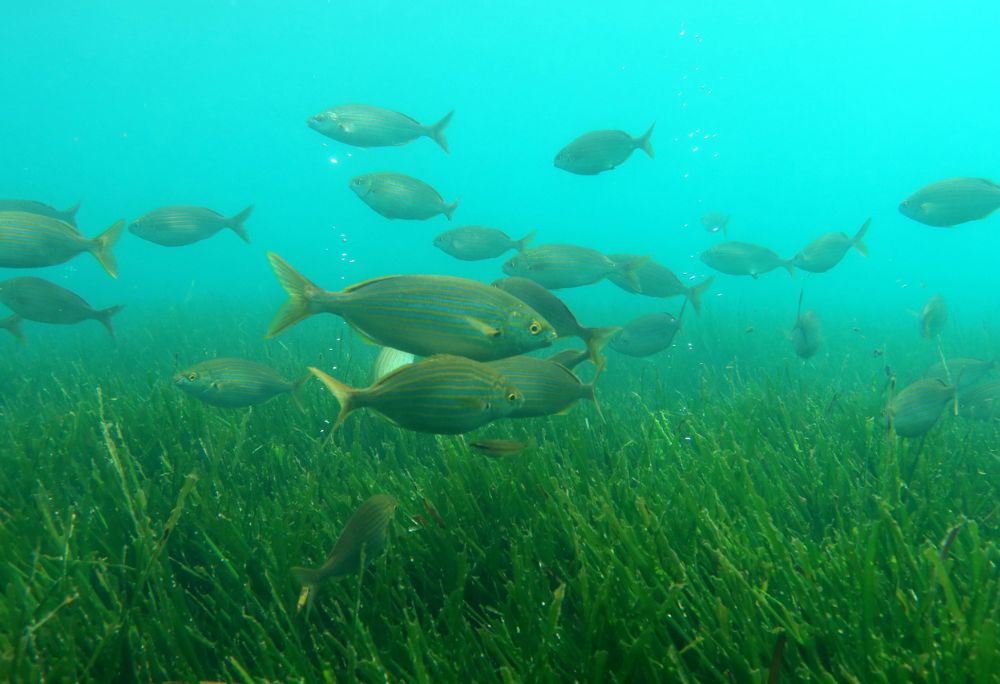
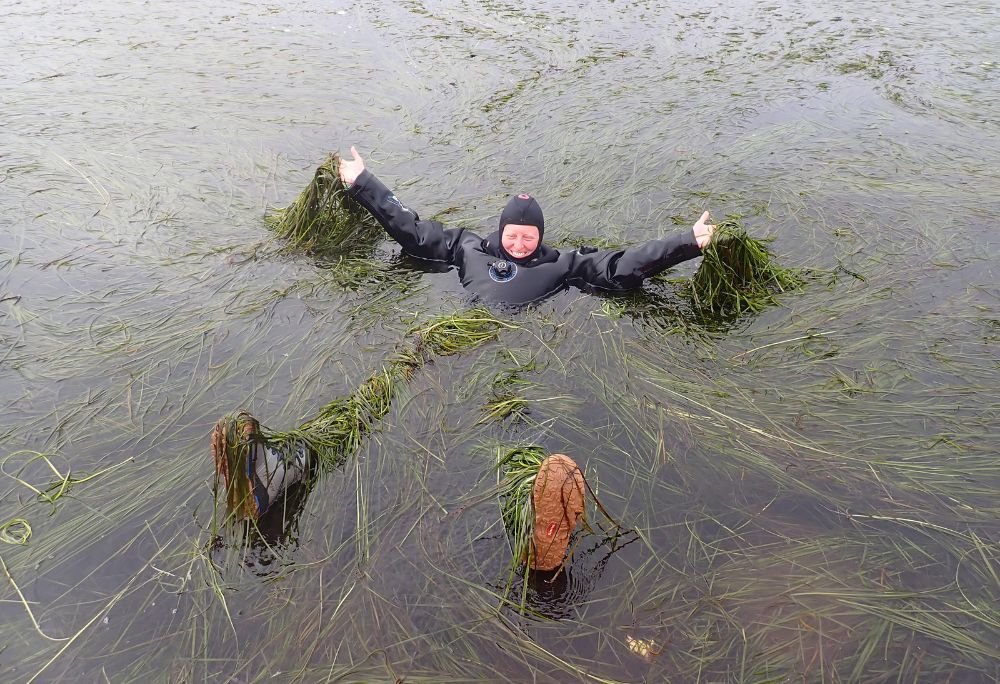
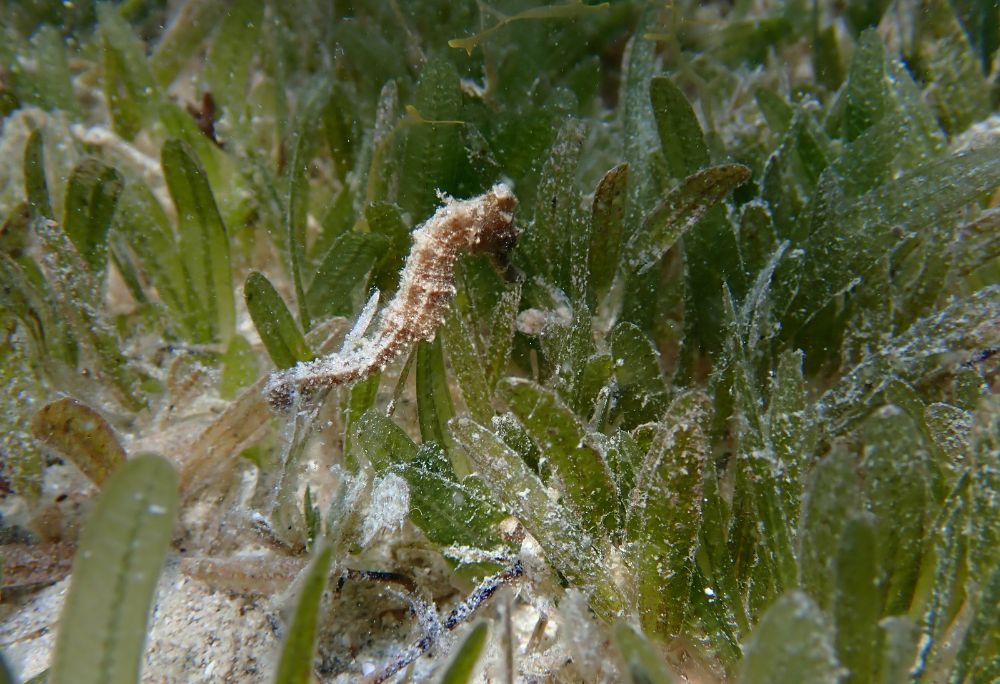
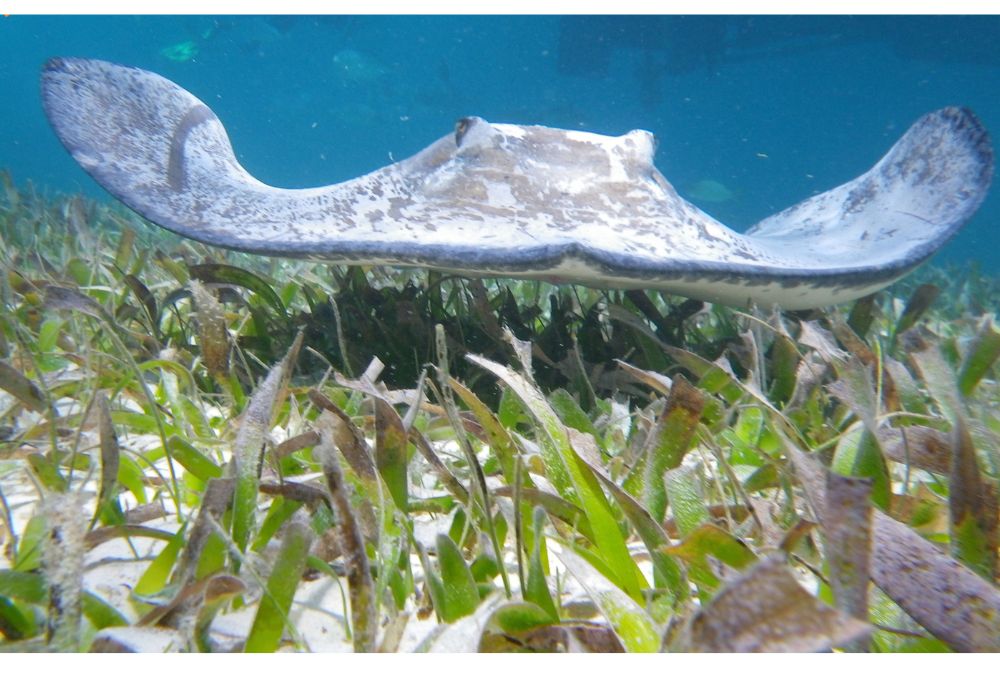
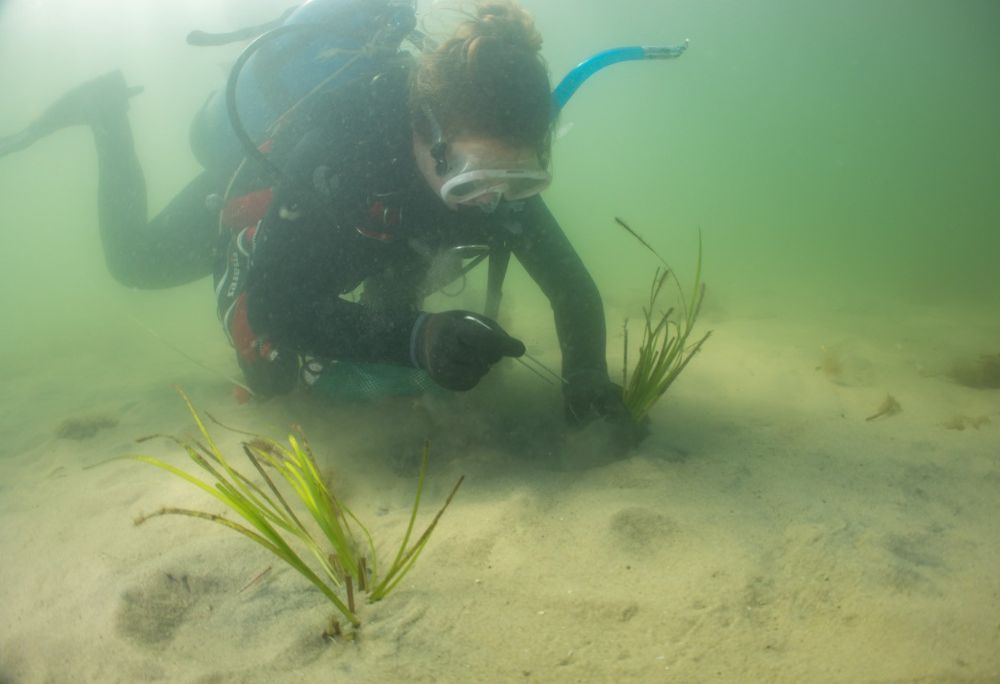
Seagrasses support biodiversity by providing critical fisheries habitat. They protect shorelines by stabilizing sediments, and capture nutrients and dirt while producing oxygen. They are also exceptionally good at storing carbon, making them the unsung heroes in the fight against climate change. SeagrassNet, formed in 2001, is a growing international network that monitors the status of seagrasses at 150 locations around the globe, including sites in North America, South Korea, Madagascar and Brazil. Standard collection protocols are used at every site; the data is then uploaded and shared online at www.seagrassnet.org. This protocol allows scientists to easily access and compare datasets from any and all of the study areas. Providing SeagrassNet partners with resources and a platform to share their knowledge and experience is essential to the effort to increase awareness of the unparalleled environmental and economic significance of seagrasses. Collaborating with the groups who are leading local, minimally-funded, small-scale monitoring efforts may be even more important to the protection and restoration of seagrass habitats than working with the government officials leading new coastal zone management initiatives for their nations.
Success Factor | Hero Moment
In 2026, SeagrassNet director Dr. Agnes Mittermayr published a new protocol specifically designed for small teams and small budgets, utilizing low-tech, low-cost, non-destructive seagrass sampling methods to collect core measurements that conform with the globally standardized monitoring framework. This protocol opens the door to hyperlocal grass-roots efforts, enabling and encouraging new partners to join the consortium of scientists, decision makers and environmentalists that contribute to the preservation and restoration of these fragile but essential coastal ecosystems.
Submitter
Center for Coastal Studies