
Rio Negro Partnership
Political, financial and in-kind support for indigenous peoples protecting the rain forest




Project Dates
Start: 1993
The Story
Protecting the Amazon rainforest in the long term means empowering the people who live there. Because healthy forests depend on thriving communities, secure land rights, and strong local organizations.
Since 1993, the Rio Negro Partnership has connected Austrian municipalities with Indigenous organizations in the Brazilian Amazon. Together, Climate Alliance Austria, the Federation of Indigenous Organizations of the Rio Negro (FOIRN), and Instituto Socioambiental (ISA) work toward a goal that reaches far beyond Brazil: preserving the rainforest, whose protection also matters for World’s climate and our shared future.
The partnership focuses on three strategic priorities:
- Protecting the rainforest and Indigenous territories: Securing land rights, strengthening territorial management, and defending forests, wetlands, and biodiversity against illegal mining and other threats.
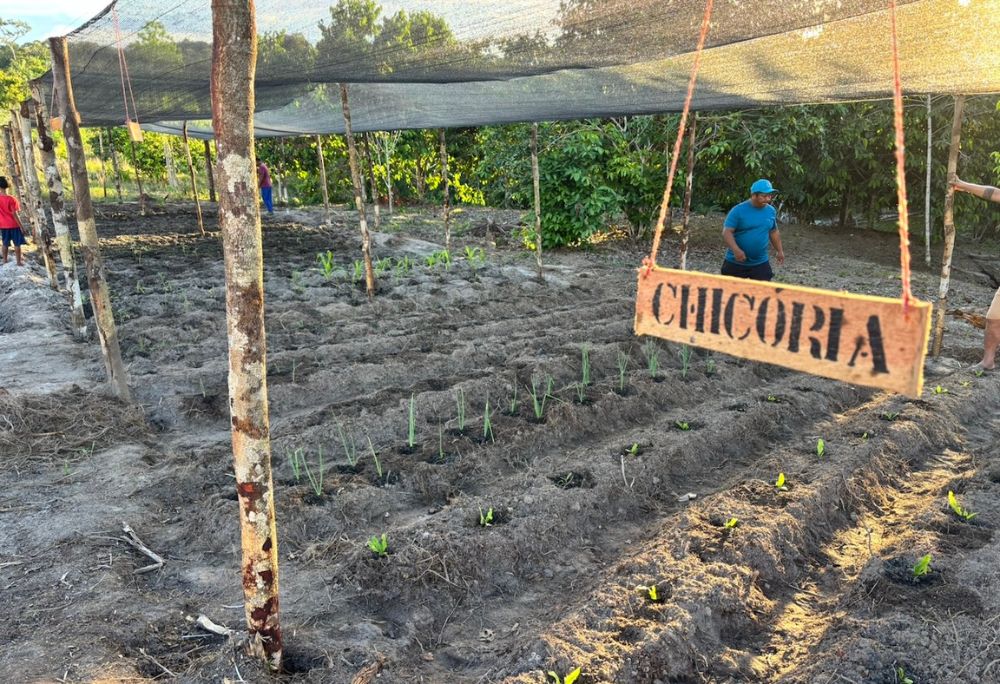
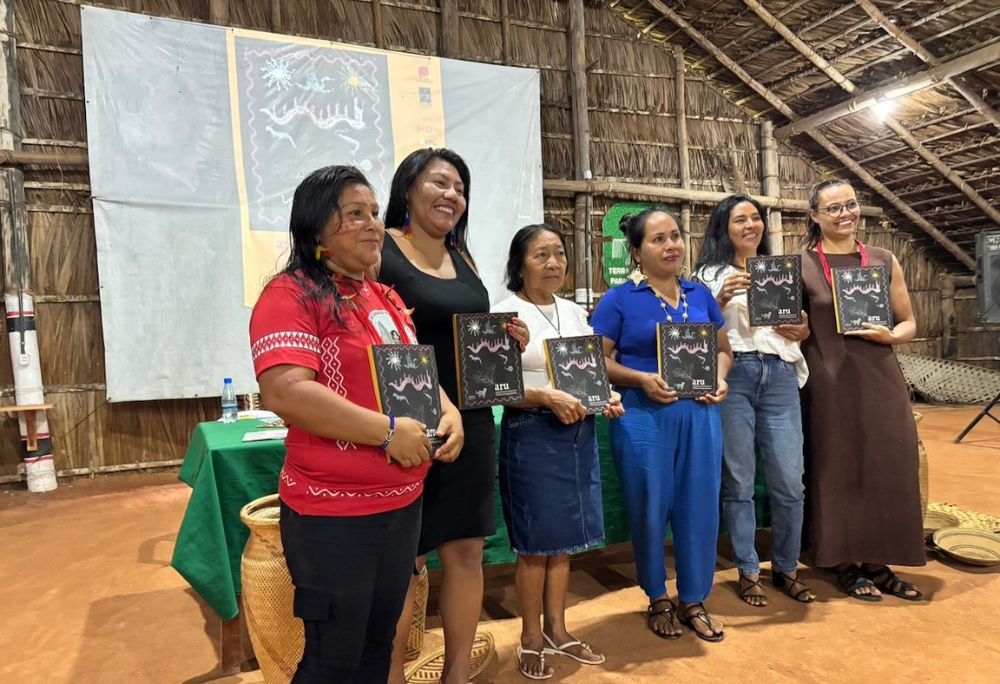
- Building thriving and resilient communities: Improving access to essential services, supporting sustainable livelihoods and climate adaptation, while strengthening Indigenous cultural rights and opportunities for women and young people.
- Strengthening autonomous Indigenous organizations: Developing leadership, technical and management capabilities, and political influence to enable Indigenous organizations to defend their rights and shape their future independently.
Concrete initiatives range from solar technology training and local economic development to supporting Indigenous territorial governance.
Success Factor | Hero Moment
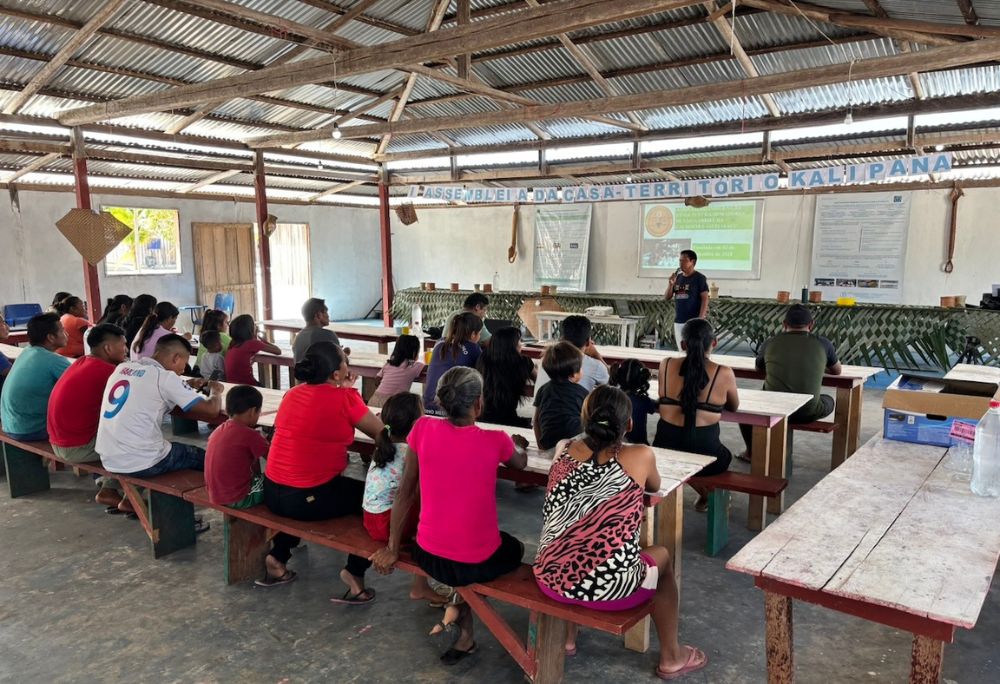
Local communities set the priorities. FOIRN takes an increasingly leading role, ISA contributes technical expertise, and Austrian municipalities provide long-term support.
The partnership brings together climate protection, resilient communities, local autonomy, and practical cooperation. Not as outside aid, but as a shared commitment to a better future — both in the Rio Negro region and in Austria.
Submitter
Klimabündnis Österreich


Hard Facts
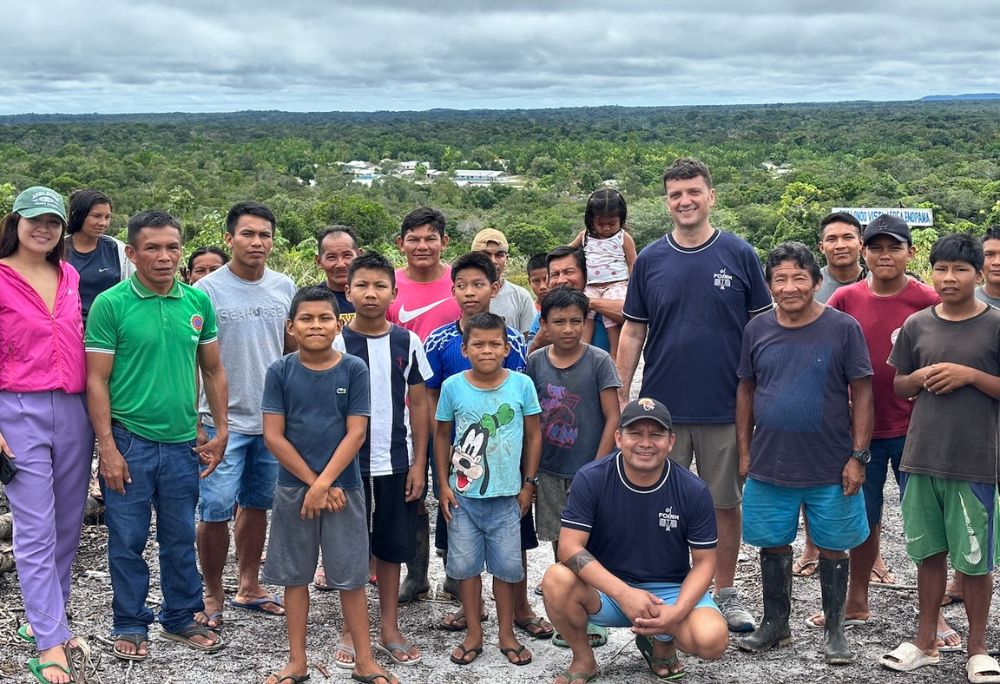
35000 people are benefitting directly