
Koolboks: Cooling Without Limits
Providing access to reliable, clean refrigeration through solar technology and flexible financing
Project Dates
Start: 2018
The Story
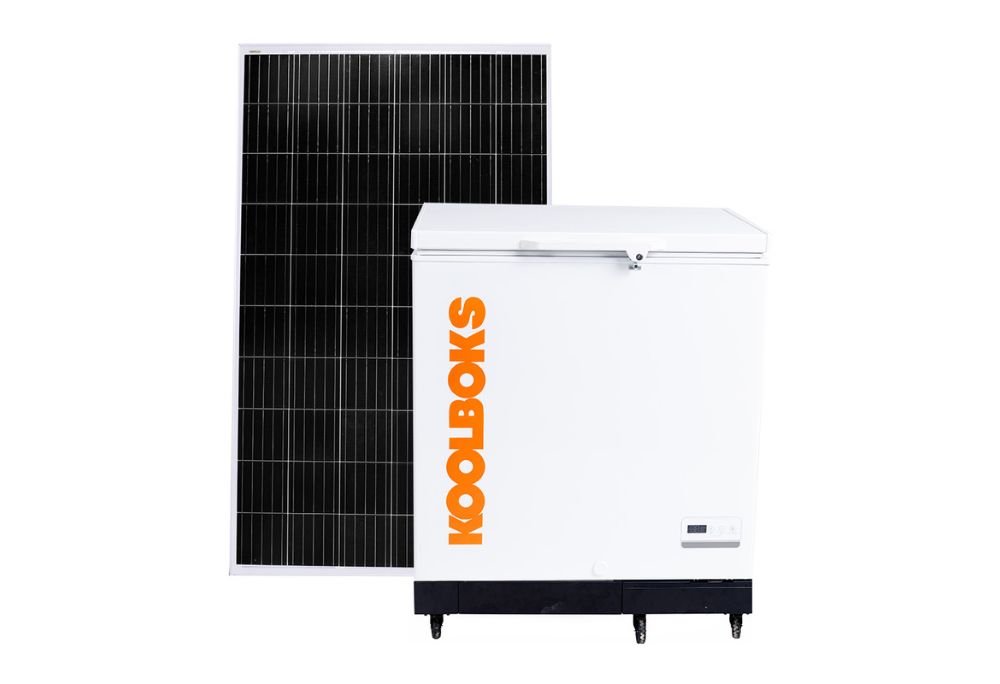
Across Africa, millions of households and small businesses lack access to reliable electricity, making refrigeration either unavailable or unaffordable. As a result, large quantities of perishable food are lost after harvest, livelihoods are affected, access to safe medicines and vaccines is limited, and many communities continue to rely on costly, polluting diesel generators that contribute to greenhouse gas emissions. Koolboks addresses this challenge through solar-powered refrigeration that combines high-efficiency solar panels, long-lasting battery and energy storage, with an innovative Pay-As-You-Go financing model. This technology allows the removal of both the energy and affordability barriers, which enables households, retailers, farmers, and healthcare providers to access reliable cooling without high upfront costs. The impact extends far beyond refrigeration, it includes reduced post-harvest losses, improved food security and public health, increased incomes for small businesses (particularly women entrepreneurs), lower greenhouse gas emissions, stronger climate resilience, and a more sustainable cold chain across Africa.
Success Factor | Hero Moment
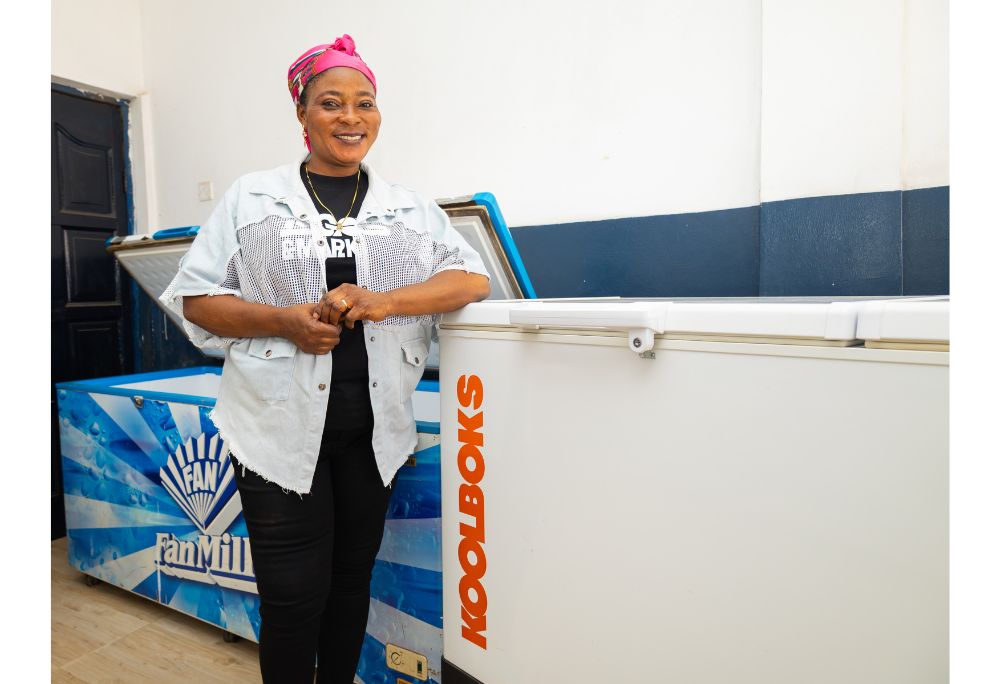
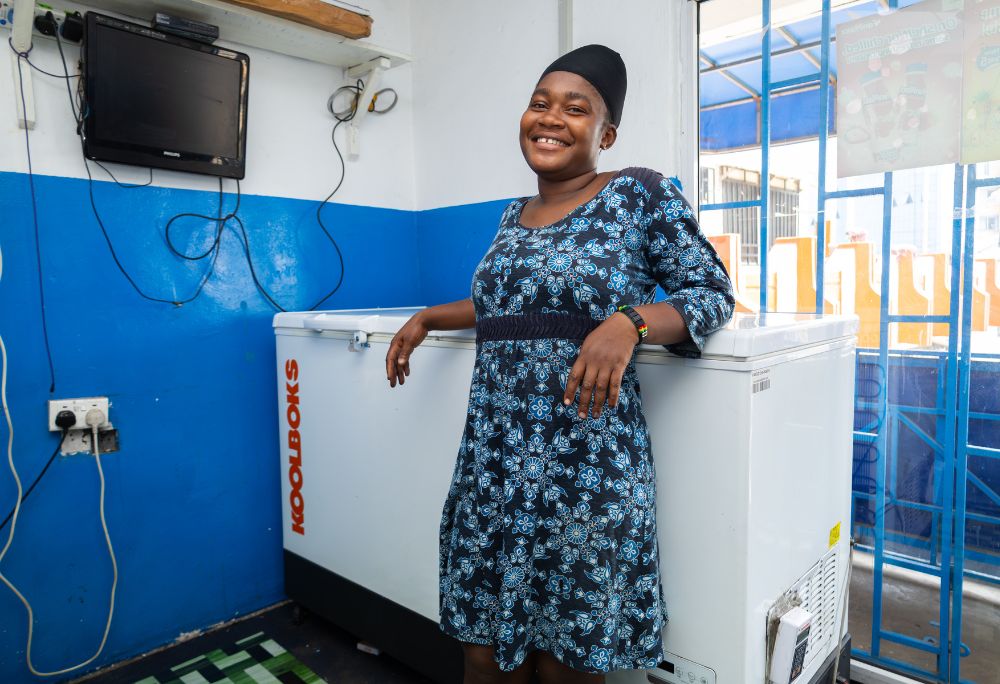
The defining success of Koolboks was seeing customers transform their businesses after accessing Koolboks’ solar refrigeration through the Pay-As-You-Go financing model, which removes the upfront cost barrier and makes payment possible in daily, weekly or monthly installments. One example is Mama Ibadan, a small-scale fish trader who increased her income and expanded her business after gaining access to reliable refrigeration. Her success demonstrated that making clean cooling financially accessible can unlock lasting economic opportunities while accelerating climate impact.
Submitter
Koolboks




Terminated Emissions
139389 tons CO2e per year
Hard Facts
29000 people are benefitting directly
10960 MWh renewable energy produced per year
51744 t annual food savings per year